News
The True Cost of a Responsible E-Cigarette Brand
21 July, 2026
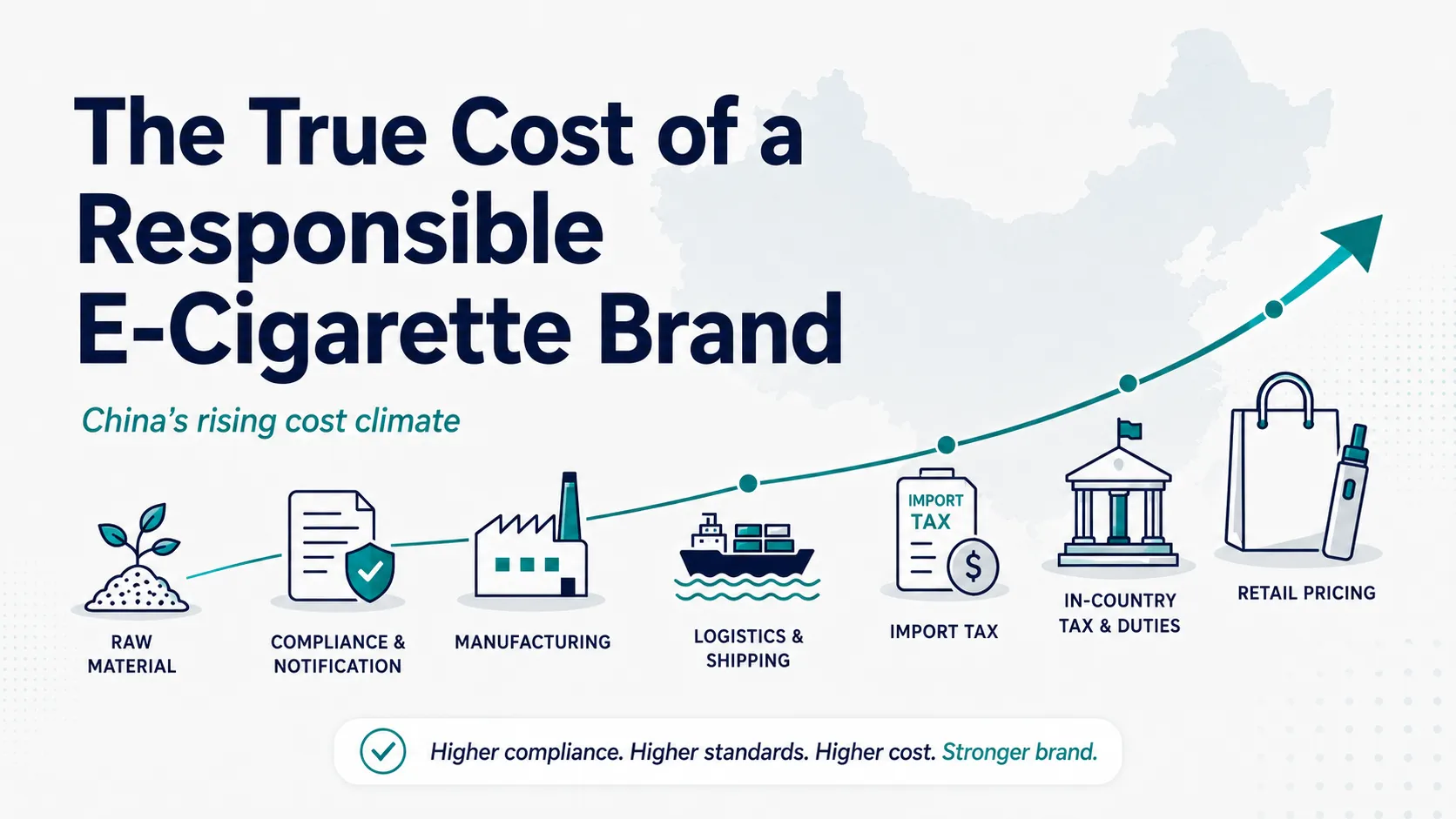
The costs of goods are rising across industries. From raw materials, labour, logistics and regulatory requirements, it’s becoming harder for manufacturers to absorb. For most industries, this means a higher production costs and tighter margins. But for the e-cigarette industry, the impact is more sensitive because much of the global supply chain depends on China, from components to packaging and supply coordination.
In China, this pressure is added on by taxation. Since 1st November e-cigarettes have been subjected to consumption tax: 36% at the production or import stage, and 11% at the wholesale stage. However, from industry reporting, it also states that from 1st April 2026, the VAT rebate for certain nicotine-containing e-cigarette related products was removed, reducing a layer of cost relief for exporters.
With these shifts in place, for responsible brands, these are the requirement standard of conducting business properly in a category that is becoming more regulated. The challenge is not simply to keep prices low, it’s more on how to maintain quality, compliance and commercial viability without taking shortcuts.
And when production costs rise, the impact does not stop at the factory. Manufacturers face higher operating costs. Brands face tighter margins. Distributors will experience higher landing costs. Retailers may need to reconsider pricing. Consumers will definitely see those pressures reflected in the market.
This is where the issue becomes more sensitive for Regulated Products.
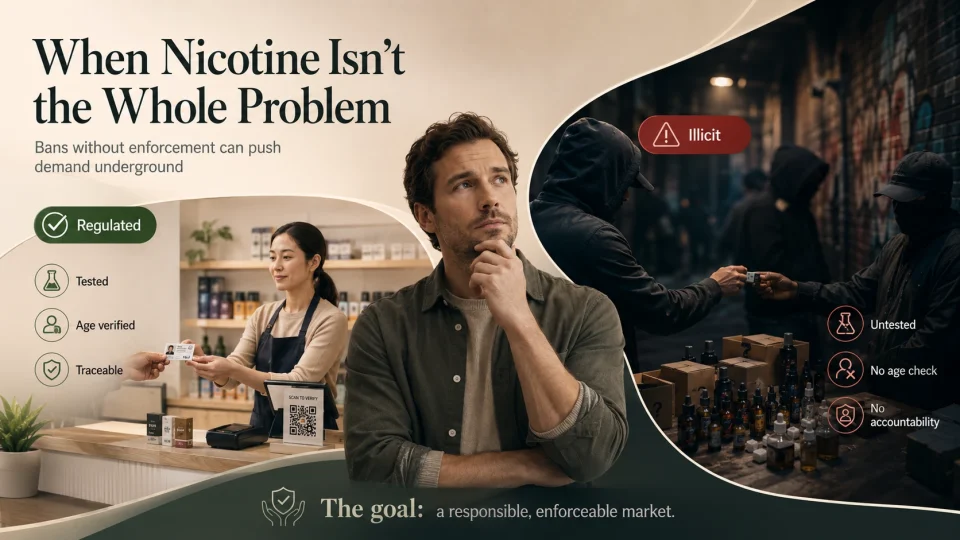
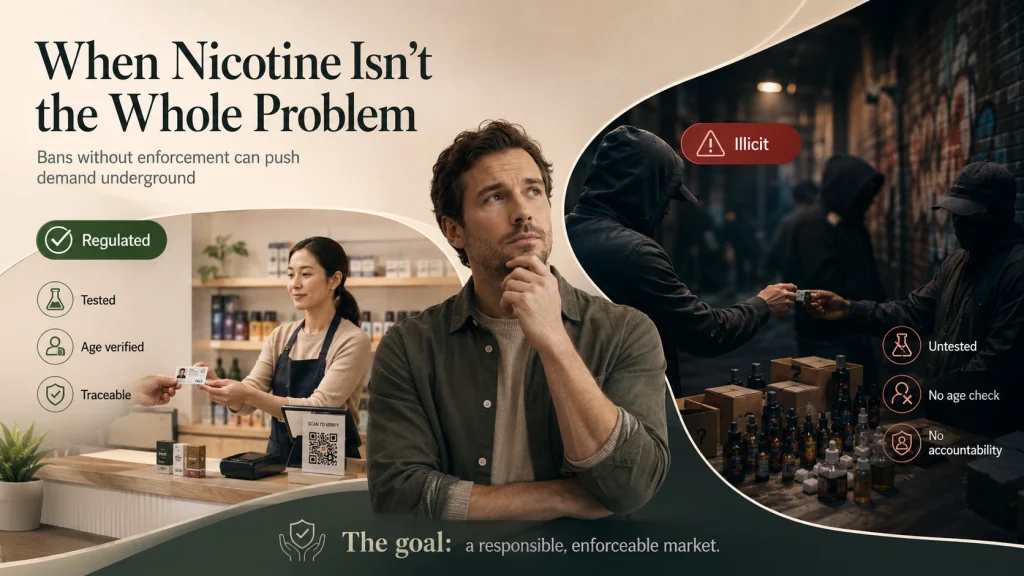
In categories such as e-cigarettes, affordability cannot be separated from accountability. If compliant manufacturing becomes more expensive, the market will be filled with illicit products due to its cheaper cost. For consumers with lower spending power, this risk would be; that less accountable alternatives becomes more attractive. These products come with weaker quality control, poor documentation, unclear sourcing, or less responsible distribution practices.
The Inevitable Rise of Illicit Products
To protect their margin costs, Illicit brands; in response to the higher production costs will cut corners in all aspects. They may look for cheaper materials, reduce quality checks, simplify documentation, or work with suppliers that are less prepared for regulatory scrutiny. On paper, these illicit brands can supply cheaper products. But creates greater risk for consumers, the retailer, the distributor and ultimately compliant brands as well.
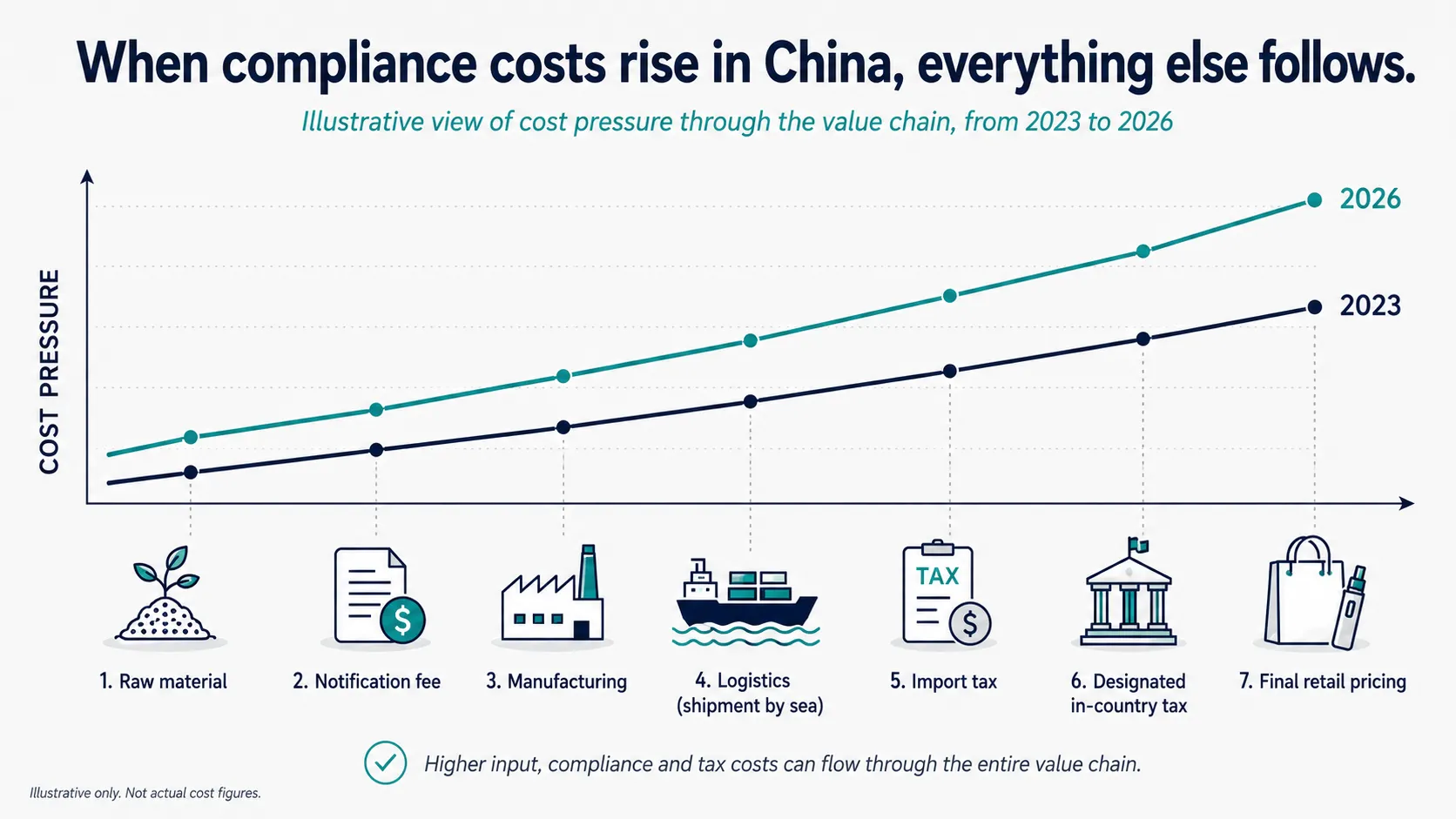
What we need to know behind the cost of a Compliant Brand.
This is why pricing in the e-cigarette industry should not be viewed only through the lens of affordability. A lower price may seem attractive in the short term, especially in price-sensitive market.
But in a regulated industry, the cheapest product is not always the most responsible product. A responsible smoke-free brand should not compete by being the lowest-cost option. It should compete by being consistent, accountable, and prepared for markets that are becoming more regulated.
This means the value of Compliance will become more visible.
Brands that have invested in quality systems, credible manufacturing partners, proper documentation, and regulatory readiness will be better positioned to manage governance and defend their products when regulators and compliancy bodies come knocking. This is vital as more countries move toward clearer regulation for alternative nicotine products.
Regulators are paying closer attention. Retailers are becoming more selective. Distributors are seeking brands that can provide not only products, but confidence.
In this environment, compliance is no longer a back-end function. It is part of brand value.
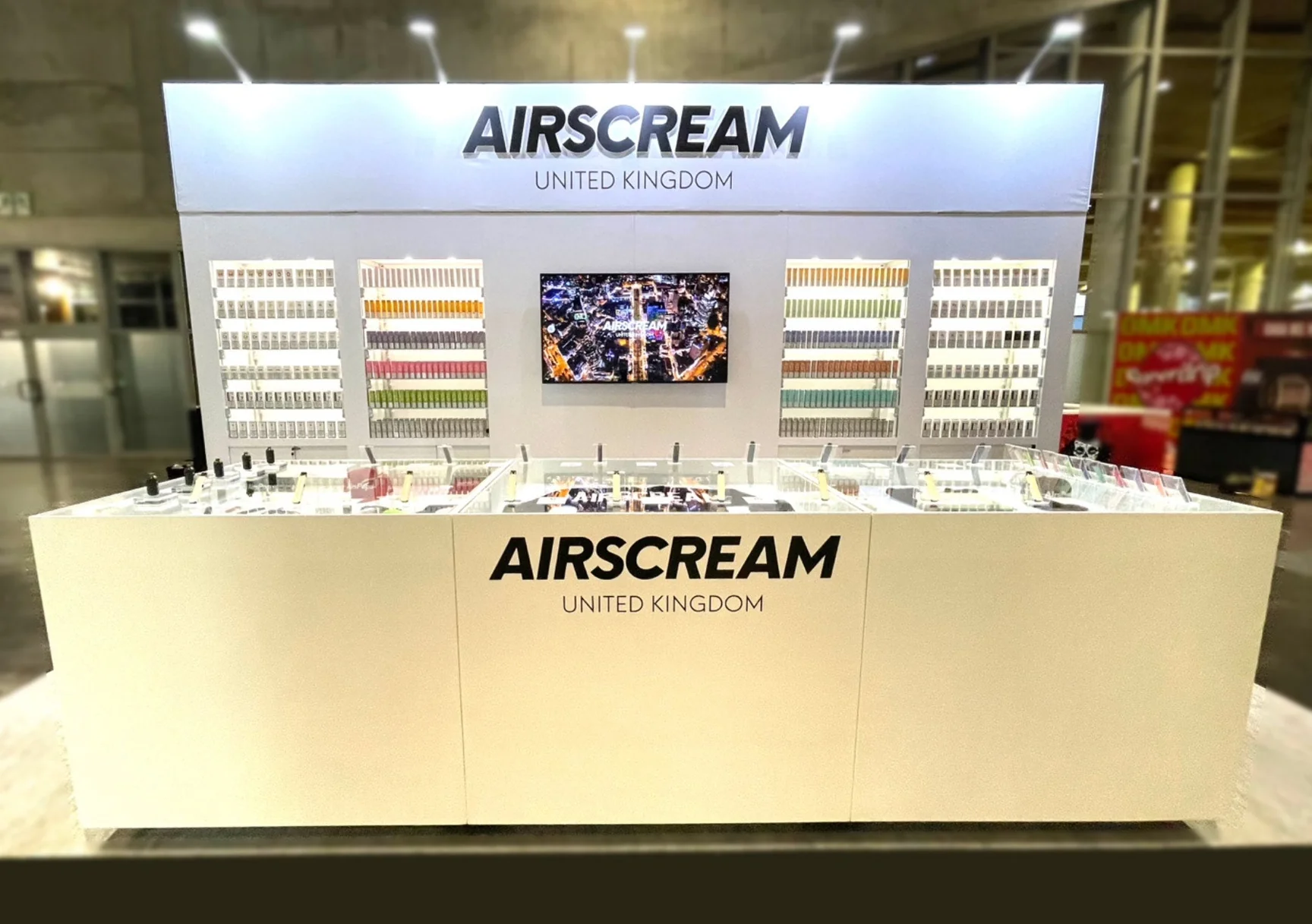
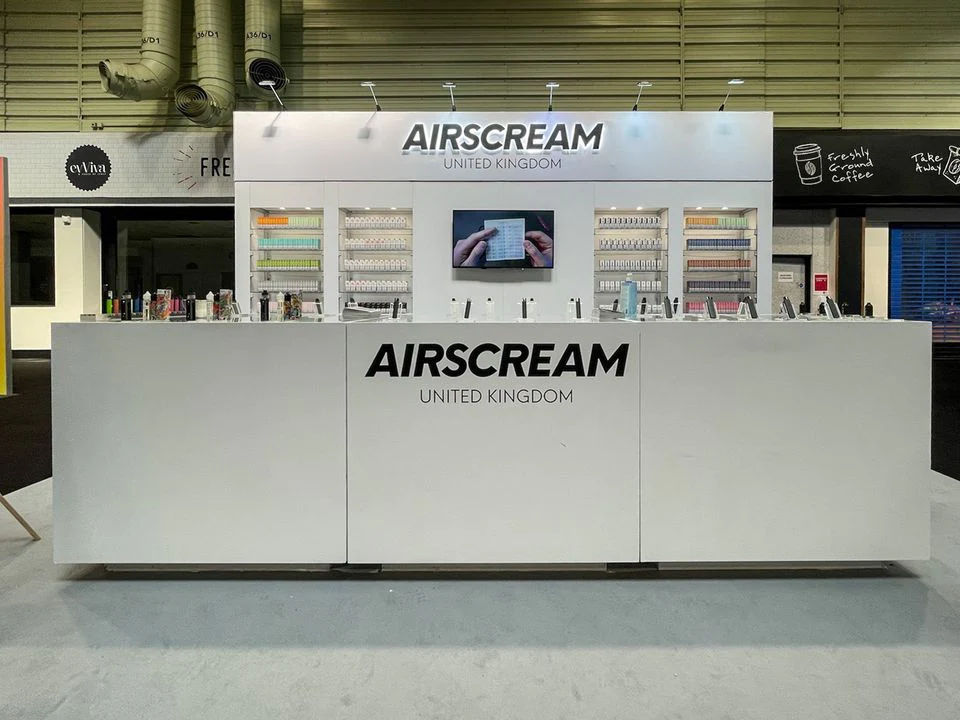
For compliant brands such as AIRSCREAM, the goal is not to win by being the cheapest. The goal is to build products that the markets can trust, partners can depend on, and consumers can recognise as responsible.