Blog
Why Crisis Communication Defines Leadership in Regulated Industries
2 December, 2025
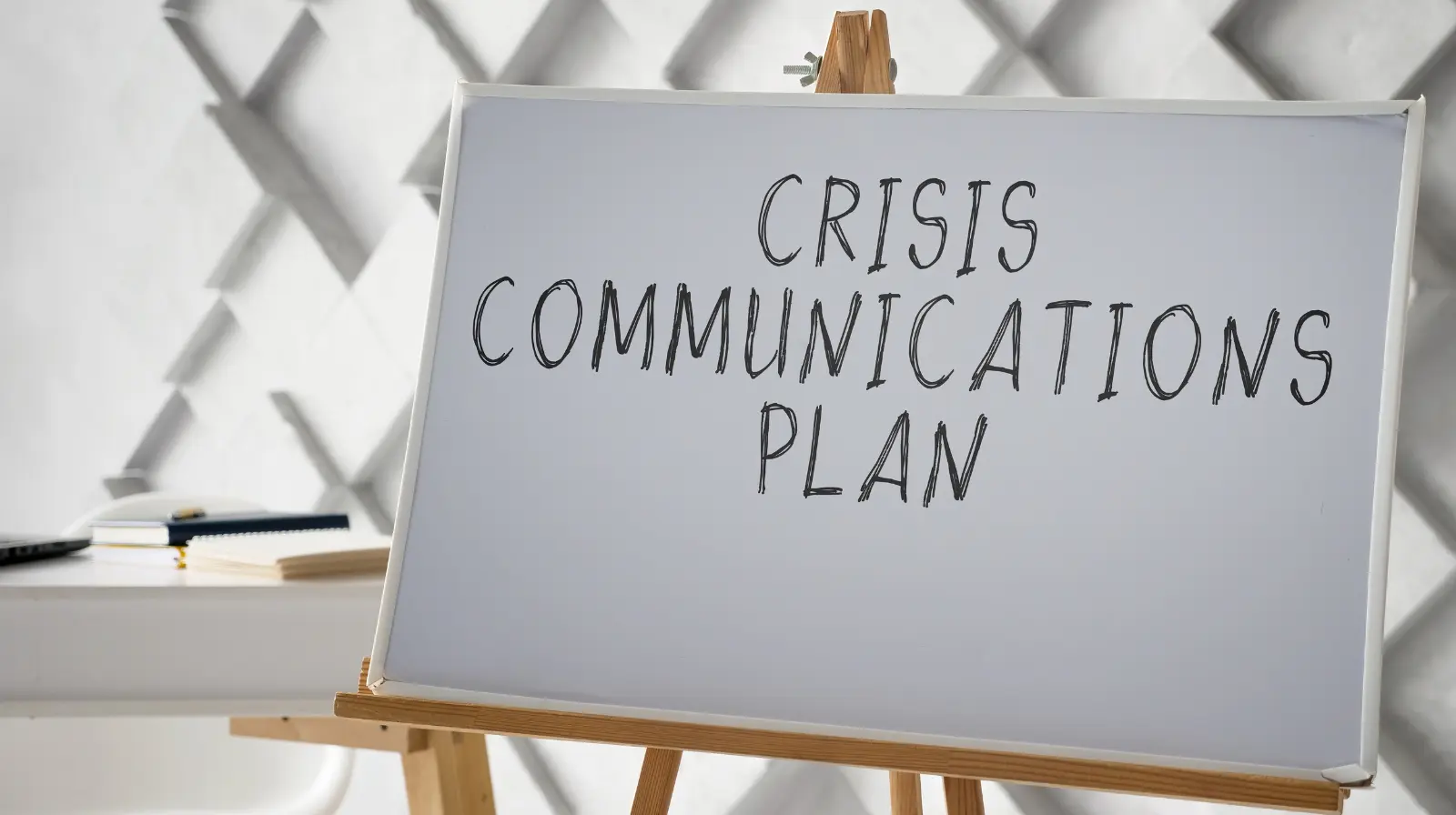
Within regulated industries, reputation is everything. Companies can spend years building trust with regulators, customers, and employees, only for it to be tested in a single moment of crisis. Whether it’s a sudden regulatory shift, a product concern, or misinformation spreading faster than the truth, how a company communicates in those crucial moments often defines its long-term credibility.
Crisis communication is not just about managing bad news it’s about showing leadership, empathy, and accountability when it matters most. In regulated industries especially, silence or hesitation can carry consequences far beyond reputation. It can affect compliance, stakeholder confidence, and even employee safety.
Why It Matters More Here Than Anywhere Else
Unlike other sectors, regulated industries are bound by strict frameworks and public expectations. A financial services company mishandling sensitive disclosures, a healthcare provider delaying updates, or a nicotine-alternative brand ignoring regulatory signals each risk not just reputational fallout, but real legal and operational consequences.
Strong crisis communication bridges this gap. It gives regulators confidence, reassures customers, and most importantly protects employees by making sure they are informed and supported from the inside out.
What the Best Companies Do Differently
From experience, the organisations that navigate crises most effectively tend to follow a few non-negotiables:
- Preparation is leadership in advance. Having a plan in place before a crisis strikes isn’t paranoia,it’s foresight. Teams that map out risks, communication flows, and stakeholder touchpoints early can act with speed and confidence when others freeze.
- Transparency beats speculation. Information voids get filled by rumours. Companies that communicate promptly; even if the message is simply “Here’s what we know now, here’s what we don’t, and here’s what we’re doing” earn trust rather than doubt.
- Employees come first. The first audience in any crisis is internal. People want to feel safe, informed, and proud of how their company responds. Staff who know the facts become advocates, not casualties of confusion.
- Consistency builds stability. Whether through press briefings, social media, or direct communication with regulators, the message has to stay clear and aligned. A fragmented voice can do more damage than the crisis itself.
- Reflection strengthens resilience. After the dust settles, the best companies look back. They don’t just ask, “Did we get through it?” but, “What can we do better next time?” This mindset is what builds true organisational resilience.
The Bigger Picture
Crisis communication is ultimately about more than crisis. It is about how a company chooses to show up—under pressure, under scrutiny, and under circumstances it may not control. In regulated industries, those choices carry even greater weight.
Handled well, a crisis can actually reinforce trust. It demonstrates not only that the company is compliant, but that it is humane and capable of empathy, accountability, and decisive action. And when stakeholders see that, they don’t just forgive; they respect.
Leading with Preparedness
Every organisation hopes to avoid crises. But the reality is that the companies best positioned to thrive are not those that avoid challenges altogether—they’re the ones that are ready to communicate through them.
For leaders in regulated industries, the message is clear: prepare, protect your people, and lead with transparency. Because in the end, crisis communication isn’t just about protecting reputation, it’s about proving that trust in your company was never misplaced.
👉 Learn more about our commitment to compliance and transparency through the AIRSCREAM CHECK Programme.